- 12741 Research Blvd. Suite 500 Austin, TX
- sales@rastracmarinevision.com
- (877) 680-1188
A dead battery sidelines your most popular ski boat on the busiest Saturday of the summer. Your newest pontoon boat sits unused while customers wait for rentals. A jet ski zips through a no-wake zone, and you don’t know until someone complains. These scenarios cost marina managers thousands in lost revenue, increased liability, and customer frustration, yet they’re completely preventable with the right data.
GPS tracking systems generate dozens of metrics about your rental fleet, but which numbers actually matter? Marina managers running 20-50 watercraft rentals don’t have time to analyze every data point. They need actionable intelligence that prevents problems, maximizes revenue, and keeps customers happy. These five weekly reports from Marine Vision by Rastrac’s marine GPS platform transform raw tracking data into profit-protecting insights that take less than 30 minutes to review.
The most utilized boats report shows which watercraft consistently generate revenue. Your top performers aren’t always what you expect. That new wakeboard boat you financed might sit idle while your 8-year-old center console books solid from May through September.
Review your top 5-10 performers every Monday morning. These boats deserve:
The least utilized boats report is equally valuable. Watercraft sitting idle for days at a time signal problems. A fishing boat that never books might be in the wrong location. Your pontoon boat with low rental rates might be priced below customer expectations, making them question its quality. Personal watercraft sitting unused often have cosmetic damage customers notice during walk-throughs.
Marine Vision by Rastrac’s utilization metrics compare actual rental hours against available hours. A 35% utilization rate means a boat sits unused 65% of the time – pure lost revenue. Marina managers using weekly utilization data increase overall fleet productivity by 15-20% within the first season by reallocating boats, adjusting pricing, and targeting marketing toward underperforming watercraft categories.
Idle time reports catch problems before they explode into emergencies. When a normally active speedboat hasn’t moved in 72 hours, something’s wrong. The engine might not start. The trailer might have a flat tire. A customer might have reported an issue your dock staff forgot to log.
Set idle time alerts for 3 days on rental boats and 7 days on personal storage customers. Weekly reviews of these reports create action items:
Maintenance due reports based on engine hours eliminate guessing. A jet ski might look fine externally but need an oil change based on actual runtime. GPS tracking systems record precise operating hours, not estimates based on rental paperwork. Marine Vision by Rastrac’s platform flags boats approaching maintenance intervals automatically.
Schedule maintenance during slow periods. A center console needing service Wednesday through Friday impacts revenue less than weekend downtime. Weekly maintenance reports let you group services efficiently. If three bass boats need oil changes, schedule them together and negotiate better service rates.
Marina managers tracking maintenance by actual engine hours report 40% fewer unexpected breakdowns. They also extend watercraft lifespan significantly. A pontoon boat maintained at precisely 100-hour intervals lasts 2-3 years longer than one serviced “when it seems like it needs it.”
Speed violation reports protect your insurance rates and your customers. Most rental agreements limit watercraft to specific speeds in certain areas. No-wake zones require 5 mph maximums. Some lakes restrict jet skis to 35 mph. When renters ignore these rules, marina managers face liability.
Weekly speed reports show which operators consistently violate limits. Marine Vision by Rastrac’s GPS platform logs every speed infraction with timestamp and location data. A customer who repeatedly hits 40 mph in a 25 mph zone needs intervention before they cause an accident.
Use speed data to:
Boundary violation alerts catch unauthorized destinations. Your rental agreement might restrict boats to specific lake areas. Customers sometimes venture into off-limit zones, creating liability exposure. Weekly boundary reports show exactly where every watercraft traveled.
A fishing boat appearing in a protected wildlife sanctuary triggers questions. Did the customer ignore posted signs? Are your pre-rental briefings unclear? Marine Vision by Rastrac’s geofencing creates virtual boundaries around marinas, no-go zones, and approved operating areas. Boundary violations generate automatic alerts, but weekly reports reveal patterns one-off alerts might miss.
Marinas enforcing speed and boundary policies with GPS data maintain 95% compliance rates. The 5% who continue violations after warnings lose rental privileges, protecting your business from their poor decisions.
Battery health reports prevent the most frustrating maintenance issue in marine GPS tracking. A dead battery doesn’t just kill the tracking device; it often indicates the watercraft’s main battery is failing too. Weekly battery status checks catch problems during low-demand periods instead of Saturday morning rushes.
Marine Vision by Rastrac’s GPS devices include battery monitoring that flags weak batteries before they fail completely. A tracking unit showing 40% battery charge after a full week might have installation issues drawing excess power. A jet ski showing rapid battery drain during operation could have a failing alternator affecting both the GPS device and the engine starting battery.
Review battery reports for:
Battery issues sideline 8-12% of rental fleets during peak season if managers don’t monitor them proactively. A wakeboard boat with a dead GPS battery often has a weak starting battery too. When customers arrive for their reservation, the boat won’t start – resulting in refunds, negative reviews, and lost revenue from the next scheduled rental.
Weekly battery checks take 5 minutes but prevent hours of weekend crisis management. Marina managers report battery-related breakdowns drop 70% after implementing systematic weekly monitoring.
Marina managers should schedule report reviews every Monday morning before the weekly rush begins. Allocate 20-30 minutes to review all five report categories. This consistent routine catches developing problems while they’re still manageable.
Print or export reports to maintain documentation. Insurance claims, customer disputes, and safety investigations often require historical data. A customer claiming their personal watercraft “never went over 25 mph” becomes a non-issue when GPS logs show fifteen speed violations averaging 38 mph.
Share relevant data with your dock staff. When the maintenance due report flags three center consoles needing service, your crew can schedule them efficiently. When utilization reports show certain sailboats never rent, dockside staff can highlight them during customer walk-throughs.
Use report data to refine your rental operations continuously. That ski boat with the highest utilization rate reveals what customers want. Boundary violations concentrated in specific areas might indicate unclear signage or poorly defined rental agreements. Speed violations consistently occurring during evening hours might suggest certain renter demographics need different safety briefings.
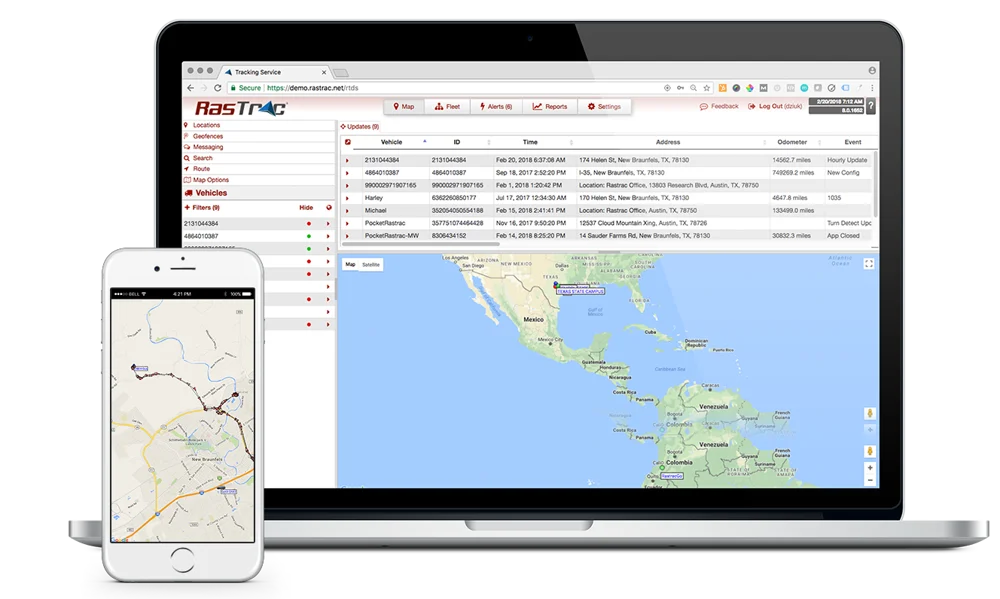
Marine Vision by Rastrac’s reporting dashboard makes weekly reviews simple. All five critical reports appear on a single screen. Sort by utilization percentage, idle days, violation frequency, or battery status. Export data to spreadsheets for deeper analysis or historical tracking. Set automatic email delivery for reports so they arrive in your inbox every Monday morning without manual effort.
How long does it take to review all five reports each week?
Most marina managers complete their weekly review in 20-30 minutes once they establish a routine. Rastrac’s dashboard consolidates all data in one location, eliminating time wasted switching between systems. The first few reviews take longer as you familiarize yourself with normal fleet patterns, but the process becomes faster as you learn what’s typical for your operation.
What should I do when utilization reports show consistent low performers?
Start with pricing analysis – boats might be overpriced or underpriced relative to customer expectations. Inspect the watercraft for cosmetic issues or needed repairs. Consider repositioning them in higher-visibility dock locations. If a specific boat type consistently underperforms across multiple units, adjust your marketing or consider different watercraft models for future purchases. Rastrac’s data helps you make evidence-based decisions instead of guessing.
Can speed violation reports legally support insurance claims?
GPS speed data is admissible evidence in most jurisdictions when it comes from calibrated tracking systems. Rastrac’s GPS units meet legal standards for accuracy and reliability. In insurance investigations, speed logs demonstrate whether operators followed rental agreements and safety policies. This documentation protects marina managers from liability when customers violate clearly stated speed restrictions.
How do I set appropriate speed and boundary parameters for different watercraft?
Review local lake regulations, insurance policy requirements, and manufacturer specifications. Jet skis typically have higher speed limits than pontoon boats. No-wake zones apply universally. Create different geofence zones for restricted areas, approved operating zones, and your marina property. Rastrac’s platform allows custom settings for each watercraft type, so your speedboat alerts differ from your fishing boat parameters.
What battery percentage indicates a GPS device needs immediate attention?
Any device showing below 30% charge requires investigation within 24 hours. Rastrac’s battery monitoring considers both the GPS unit’s power supply and often correlates with the watercraft’s main battery health. Declining battery trends are equally important, a boat going from 90% to 70% to 50% over consecutive weeks signals developing electrical problems even before hitting critical levels.
Marina managers juggling dozens of watercraft rentals need data-driven insights, not guesswork. These five weekly reports transform GPS tracking from a basic location service into a comprehensive fleet management system. You’ll catch maintenance issues before they strand customers, identify revenue opportunities from underperforming boats, and build documentation that protects your business from liability claims.
Rastrac has provided marine GPS tracking solutions for 32 years, helping marinas across North America maximize fleet performance and rental revenue. Ready to see how these five reports improve your operation?
Request a Demo | (877) 680-1188 | sales@rastracmarinevision.com

Rastrac complements any organization-wide quality assurance program and can help their fleet become the model for operational superiority.
Rastrac helps clients make improvements in processes, organization, financials, communications, and technology. Clients that have taken advantage of Rastrac’s ability to provide solutions tailored to their business are in a wide variety of industries. Rastrac can help you find a solution, too.
We’d love to discuss how we can help you.



No hardware, no installation.
Activation fee waived for every device.
Save 20% on service for six months.
