- 12741 Research Blvd. Suite 500 Austin, TX
- sales@rastracmarinevision.com
- (877) 680-1188
What Could Better Watercraft Visibility Save Your Operation?
Estimate how improved vessel visibility, operating oversight and faster response to exceptions can reduce avoidable repair expense and costly fleet downtime.
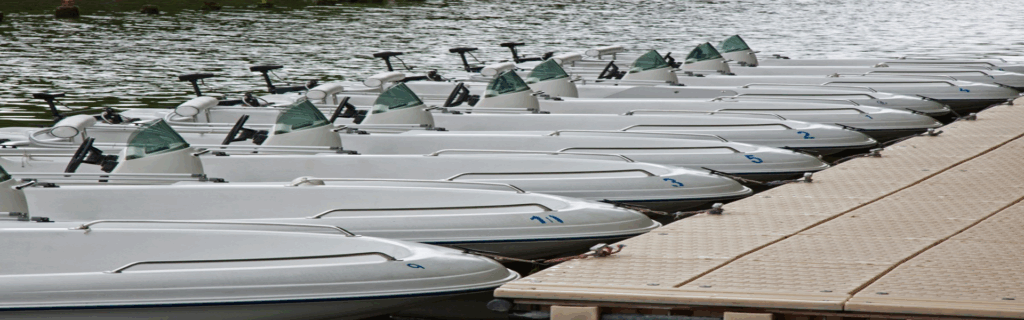

Prop strikes and lower-unit damage are two of the most common, and most avoidable, costs in watercraft fleet operations.
Every incident means a repair bill, but the higher cost comes next: the vessel sits idle instead of earning. For rental fleets, marinas, and commercial operators, a single damaged watercraft can mean days of lost bookings, rescheduled charters, or idle equipment during peak season.
Most operators underestimate this exposure because it’s spread across dozens of small incidents rather than one large loss. The calculator above uses your own fleet numbers to show what that exposure actually adds up to over a year.
Rastrac Marine Vision gives fleet managers real-time location, speed, and engine-hour data on every vessel, with geofencing around no-wake zones, rental boundaries, and known hazard areas.
When a watercraft approaches a restricted area or operates outside safe parameters, the system triggers an alert, often in time to prevent the incident rather than document it after the fact.
That combination of oversight and faster response reduces both damage frequency and downtime: operators using Rastrac reported a 75% reduction in propeller damage in their first season, along with roughly 80% less time spent on manual fleet monitoring.



Marine Vision hardware is water-resistant and rated for marine environments, with satellite-capable devices for vessels operating beyond cellular range.
Setup is straightforward, and most fleets are fully monitored within days, not weeks. At less than $1 per vessel per day, the ongoing cost is easy to justify against even one avoided repair.
Calculate your own fleet size, incident history, and repair costs to see the specific dollar impact for your operation.
