What Hidden Costs Do Marine Operations Really Face?
Your jet ski just returned with another damaged propeller. The customer claims they stayed in designated waters, but that $800 repair bill tells a different story. This scenario repeats across marinas and watercraft rental operations daily, creating hidden profit drains that most operators never fully calculate.
The Real Financial Impact of Operating Without Visibility
When you can’t monitor where your watercraft go or track operational patterns, every rental becomes a costly gamble. Marine GPS tracking systems reveal expenses that traditional “normal wear and tear” assumptions mask.
The Most Common Hidden Expenses Include:
- Propeller and drive damage from shallow water navigation ($400-$1,200 per incident)
- Engine repairs from improper operation or maintenance neglect
- Insurance claims from accidents in restricted or dangerous areas
- Lost revenue from damaged equipment requiring extended repairs
- Staff investigation time when incidents occur without concrete evidence
- Fuel waste from unauthorized joyriding or inefficient route planning
- Liability exposure from violations of no-wake zones or speed restrictions
One watercraft rental operation we analyzed was hemorrhaging $15,000 per season solely on propeller replacements. Management assumed this was inevitable “cost of doing business.” Marine watercraft monitoring proved otherwise.
Where Does Your Money Actually Disappear?
Unauthorized Area Violations Drive Costly Damage
Despite clear instructions, customers venture into shallow waters, debris fields, or environmentally protected zones. Without marine geofencing technology, you’re left with expensive repairs and potential liability issues, plus no proof of where violations occurred.
Real Example: A Connecticut marina tracked 47 shallow-water incidents in one season using GPS data. Previously, they averaged 65+ propeller repairs annually with no explanation. Post-implementation, they could contact violating customers immediately, reducing damage incidents by 68%.
“Ghost Miles” and Fuel Theft Drain Operational Budgets
Fuel consumption that exceeds expected usage patterns indicates either equipment problems or unauthorized use. Watercraft GPS tracking reveals:
- Employee personal use of company watercraft
- Customer violations of agreed-upon boundaries
- Engine efficiency problems requiring maintenance
- Optimal route planning opportunities for guided services
Cost Impact: A 30-foot charter boat averaging 8 GPH at cruise can waste $200+ per day in fuel costs from just 2-3 unauthorized hours of operation.
Maintenance Guesswork Creates Expensive Problems
Without accurate engine hours tracking through GPS fleet management, operators either:
- Over-maintain equipment (unnecessary service costs)
- Under-maintain critical systems (expensive breakdown risks)
One marina owner serviced engines every 50 operational hours “to be safe.” Marine GPS tracking revealed actual usage averaged only 32 hours between customers, representing 36% unnecessary maintenance costs.
Incident Investigation Time Drains Staff Productivity
When accidents, damage, or complaints occur, staff waste hours reconstructing events:
- What exactly happened and where?
- Who’s responsible for this damage?
- Did the customer follow our guidelines?
Without location data and operational records, every incident becomes time-consuming speculation that often results in absorbing costs to maintain customer relationships.
How GPS Tracking Eliminates These Costly Blind Spots
The 75% Damage Reduction Success Story
Here’s documented proof of marine GPS tracking effectiveness:
“The first boating season after installing Rastrac devices on our watercraft fleet, we reduced our propeller damage by 75%. As a result of the reduced propeller damage, we realized a substantially reduced amount of downtime within our fleet increasing our overall revenue”
This dramatic improvement resulted from several GPS-enabled capabilities.
Real Time Geofencing Prevents Expensive Violations
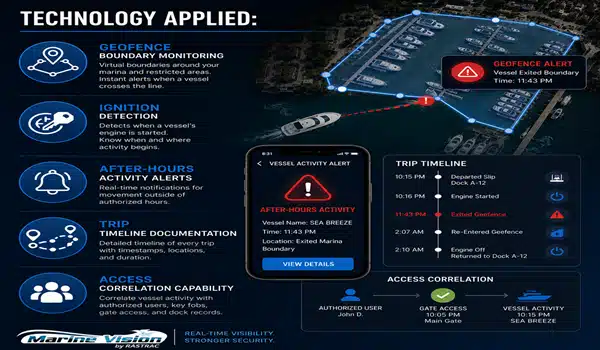
Marine Geofencing creates virtual boundaries around:
- Shallow water areas prone to propeller damage
- Environmentally sensitive no-go zones
- Rental operation boundaries
- High traffic areas requiring speed restrictions
Operators receive instant SMS or email alerts when watercraft cross these boundaries, enabling immediate customer contact to prevent damage before it occurs.
Complete Trip Documentation Eliminates Guesswork
Every rental generates detailed reports showing:
- Exact routes traveled with GPS coordinates
- Speed profiles and maximum speeds reached
- Time stamps for all location changes
- Areas visited and duration at each location
- Engine hours and operational patterns
This documentation eliminates speculation about incident causes and provides concrete evidence for insurance claims or dispute resolution.
Precision Engine Hours Tracking Optimizes Maintenance Costs
GPS marine solutions track actual engine runtime, enabling:
- Maintenance scheduling based on real usage versus time estimates
- Early identification of engine efficiency problems
- Optimal service intervals that prevent both over- and under-maintenance
- Fuel consumption analysis for performance monitoring
Result: One marina reduced maintenance costs by 32%, switching from time based to actual hours based service scheduling.
Unauthorized Use Prevention Protects Assets and Fuel
Receive immediate alerts when:
- Equipment moves outside business hours
- Watercrafts leave designated operational areas
- Speed limits are exceeded consistently
- Unusual operational patterns suggest unauthorized use
Advanced systems can even disable engines remotely in emergency situations.
Proven ROI: Real Numbers from Operating Marine Businesses
Marina Fleet Management Results:
- Average propeller damage reduction: 60-80%
- Annual maintenance cost savings: 25-35%
- Fuel waste reduction: 15-20%
- Insurance claim frequency decrease: 40-60%
- Staff investigation time savings: 85%+ reduction
Watercraft Rental Operation Improvements:
- Incident resolution time: Reduced from hours to minutes
- Customer dispute resolution: 90% faster with GPS evidence
- Equipment downtime: 50% reduction due to preventive alerts
- Seasonal revenue recovery: $8,000-$25,000 for mid-size operations
- Customer satisfaction scores: Improved due to better equipment availability
Commercial Marine Fleet Benefits:
- Route optimization: 15-25% fuel savings through efficient navigation
- Compliance documentation: Simplified regulatory reporting
- Asset utilization: 30% improvement in equipment deployment efficiency
- Emergency response: 75% faster location and assistance coordination
What Technical Implementation Actually Requires
Successful marine GPS tracking isn’t just about buying hardware proper implementation determines results.
Marine-Specific Equipment Requirements
Water-Resistant Hardware:
- ST4215 GPS tracker: Cellular connectivity, compact design for smaller watercraft
- ST9100 hybrid device: Automatic cellular/satellite switching for offshore operations.
- Proper installation: Integration with ignition systems for accurate engine hours
Critical Technical Considerations:
- Battery life optimization through intelligent update intervals
- Cellular coverage mapping for operational areas
- Backup satellite connectivity for extended offshore operations
- Integration capabilities with existing marina management systems
Software Platform Features That Matter
Real-Time Monitoring Capabilities:
- Live location tracking with 30-second to 5-minute updates
- Customizable geofence creation and management
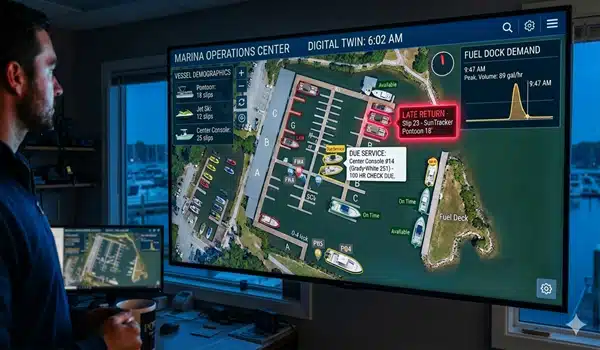
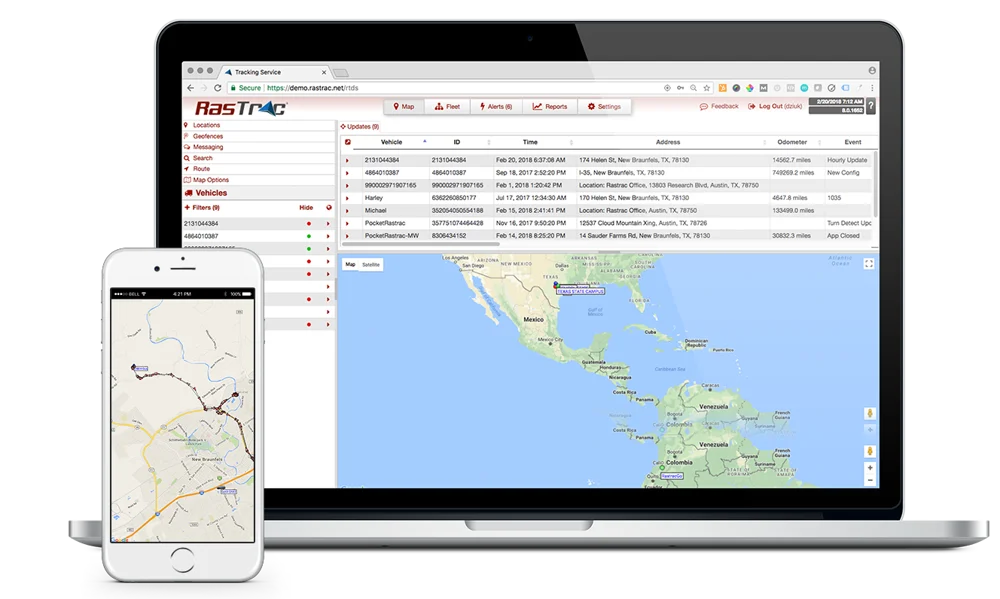
- Multi-watercraft fleet overview dashboards
- Historical route playback and analysis
- Automated report generation
Alert and Notification Systems:
- Boundary violation alerts via SMS and email
- Speed limit exceed notifications
- After hours movement detection
- Engine diagnostic alerts and maintenance reminders
- Low battery or technical issue warnings
When Professional Implementation Makes Financial Sense
Signs Your Operation Needs Comprehensive Marine GPS Tracking:
Operational Scale Indicators:
- Managing 10+ watercraft across multiple locations
- Operating in large geographic areas or multiple bodies of water
- Experiencing frequent damage or theft incidents
- Insurance requiring detailed operational documentation
- Need for integration with existing management systems
- Staff spending significant time investigating incidents
Financial Impact Thresholds:
- Annual damage/repair costs exceeding $10,000
- Fuel costs increasing without explanation
- Lost revenue from equipment downtime
- Staff time costs for incident investigation
- Insurance premium increases due to claims
Self-Implementation May Work If:
- Operating fewer than 5 watercraft
- Limited to small, controlled operational areas
- Basic location monitoring meets needs
- Comfortable with device installation and basic software setup
- Minimal integration requirements with existing systems
Reality Check: Most marine operations requiring GPS tracking fall into the professional implementation category due to the complexity of managing multiple watercraft, diverse user requirements, and integration needs with marina management systems.
The Investment vs. Cost-Avoidance Analysis
Initial System Investment:
- GPS hardware per watercraft: $200-$500 depending on features
- Professional installation: $150-$300 per device
- Software platform setup: $500-$2,000 depending on fleet size
- Staff training and integration: $500-$1,500
Total initial investment for 10-watercraft fleet: $4,000-$8,000
Annual Operating Costs:
- Monthly service fees: $25-$45 per watercraft
- Platform licensing: $100-$500/month depending on features
- Maintenance and support: $200-$500/year
Annual operating cost for 10-watercraft fleet: $3,500-$6,500
Documented Cost Avoidance:
Year 1 Savings Examples:
- Propeller damage reduction (75%): $11,250 savings on $15,000 historical costs
- Fuel waste elimination (15%): $3,600 savings on $24,000 annual fuel budget
- Maintenance optimization (25%): $2,500 savings on $10,000 maintenance budget
- Staff investigation time (85%): $4,200 savings on incident management
Total Year 1 Savings: $21,550 Net ROI after Year 1: 168% return on investment
The Compound Value Effect
Year 2-3 Additional Benefits:
- Insurance premium reductions due to improved safety records
- Revenue increases from higher equipment availability
- Customer satisfaction improvements leading to repeat business
- Competitive advantage through superior service reliability
The watercraft rental company achieving 75% propeller damage reduction saw their GPS tracking system pay for itself within the first month. Everything beyond that represented pure profit recovery and operational improvement.
Implementation Roadmap: Getting Started Right
Phase 1: Assessment and Planning (Week 1)
- Document current damage and operational cost patterns
- Map operational areas and identify critical geofence boundaries
- Assess cellular coverage in operational zones
- Select appropriate hardware for watercraft types and usage patterns
Phase 2: Pilot Implementation (Weeks 2-3)
- Install GPS tracking on 2-3 highest-use watercraft
- Configure basic geofences and alert systems
- Train key staff on monitoring and response procedures
- Test system functionality and communication reliability
Phase 3: Full Fleet Rollout (Weeks 4-6)
- Install remaining fleet hardware
- Complete geofence configurations for all operational areas
- Implement full reporting and analytics capabilities
- Train all operational staff in system usage
Phase 4: Optimization and Integration (Weeks 7-8)
- Analyze initial performance data and adjust parameters
- Integrate with existing marina management systems if applicable
- Refine alert thresholds and response procedures
- Document improved operational procedures
The Bottom Line: Profitability Through Visibility
Every day your marine operation runs without comprehensive GPS tracking represents accumulated hidden costs that compound over time. That single $800 propeller repair isn’t just an expense—it’s a symptom of systematic operational blind spots that proper watercraft monitoring eliminates permanently.
The Math is Clear:
- Professional GPS tracking systems typically pay for themselves within 2-4 months
- Ongoing ROI ranges from 150-300% annually for properly implemented systems
- Risk reduction benefits provide additional insurance and liability value
- Operational efficiency improvements compound savings over time
The Competitive Reality:
Marine operations implementing comprehensive GPS tracking gain decisive advantages over competitors still operating blind. They can:
- Offer superior equipment reliability and availability
- Provide better customer service through proactive issue prevention
- Operate with lower costs and higher margins
- Scale operations confidently with real performance data
Take Action: Eliminate Your Blind Spots
Ready to stop losing money to preventable operational blind spots? A comprehensive marine GPS tracking system reveals patterns you never knew existed and provides tools to address them before they impact your bottom line.
The rental company that reduced propeller damage by 75% wished they’d implemented GPS tracking years earlier. Don’t let another season of hidden costs erode your profitability when proven solutions exist.
Contact Marine Vision: sales@rastracmarinevision.com or call (877) 680-1188 to schedule a custom assessment of your operation’s GPS tracking needs and potential cost savings.