- 12741 Research Blvd. Suite 500 Austin, TX
- sales@rastracmarinevision.com
- (877) 680-1188
Five years ago, most boat rental operators tracked their watercraft using nothing more than clipboard sign-out sheets and hoped customers returned on time. Marina managers had no visibility into whether jet skis were idling in no-wake zones or speeding through restricted waters. When propellers struck underwater obstacles, operators discovered the damage only after customers returned, often with conflicting stories about what happened.
That reactive approach cost the marine industry hundreds of millions annually in damage claims, theft losses, and liability disputes. Today’s cloud-based marine fleet tracking platforms have fundamentally changed this equation. GPS tracking systems now deliver real-time operational intelligence that prevents damage before it occurs, automatically enforces safety boundaries, and provides documented proof of watercraft locations and operator behavior.
The modern marine tracking platform functions as an operational control center rather than a simple location monitor. Leading systems combine GPS visibility with geofencing enforcement, engine-hour tracking, maintenance alerts, and behavioral analytics. For rental operators managing fleets of pontoon boats, personal watercraft, or center consoles, these platforms have become essential tools for protecting assets worth tens or hundreds of thousands of dollars per watercraft.
Marine Operations Require Specialized Features
Generic fleet tracking systems designed for delivery trucks and construction equipment fail to address the unique operational requirements of watercraft management. Boats operate in three-dimensional environments where hazards change with tides, weather, and seasonal conditions. Jet ski operators face completely different risks than panel van drivers-yet many fleet platforms treat them identically.
The operational differences between managing a fleet of fishing boats versus managing a fleet of cargo vans are substantial. Purpose-built marine platforms recognize these distinctions and build workflows around them.
Platform selection involves more than software features. Hardware architecture determines future flexibility and total cost of ownership. Proprietary systems that lock operators into single-vendor tracking devices create dependency that limits options when technology evolves or when better hardware becomes available.
Marine Vision distinguishes itself through hardware-agnostic architecture. The platform supports multiple device types including water-resistant cellular trackers, hybrid satellite/LTE units, and solar-powered options. Operators can select devices based on specific watercraft requirements rather than accepting whatever hardware a vendor mandates.
This flexibility matters because different watercraft types demand different tracking solutions. A bass boat operating exclusively in freshwater lakes needs different hardware than a catamaran conducting offshore tours. Ski boats stored seasonally require different power management than pontoon boats operating year-round. Hardware-agnostic platforms accommodate these variations without forcing operators to compromise or purchase multiple incompatible systems.
| Capability | Marine Vision by Rastrac | WAIV | ArgoTrak Marine | General Fleet Platforms |
| Marine-specific design | Excellent | Excellent | Good | Moderate |
| Rental fleet focus | Excellent | Excellent | Moderate | Moderate |
| Enterprise telematics experience | Excellent | Moderate | Moderate | Excellent |
| Open API integrations | Excellent | Good | Moderate | Good |
| Offshore/hybrid support | Excellent | Moderate | Excellent | Moderate |
| Geofencing & hazard alerts | Excellent | Excellent | Good | Moderate |
| Multi-location fleet management | Excellent | Excellent | Moderate | Good |
| Maintenance & engine analytics | Excellent | Moderate | Moderate | Excellent |
| Hardware flexibility | Excellent | Moderate | Moderate | Good |
| Mobile/cloud access | Excellent | Excellent | Good | Excellent |
Marine Vision delivers the most comprehensive combination of marine-specific features, enterprise telematics experience, and operational flexibility. Built on Rastrac’s 32-year foundation managing over $2.5 billion in assets worldwide, Marine Vision combines proven fleet management capabilities with workflows specifically designed for watercraft operations.
Key differentiators include:
The documented 75% propeller damage reduction achieved by one Marine Vision customer illustrates how operational intelligence translates into measurable cost savings. Preventing a single propeller replacement costing $1,500-$3,000 pays for months of tracking service.
WAIV has built a solid reputation among personal watercraft rental operators and recreational tour companies. The platform emphasizes rental-specific workflows with nautical chart integration and booking software connections that streamline operations.
Strengths include excellent user interface design for rental operators, strong geofencing tools, and multi-site management capabilities. The system serves jet ski rental companies and wakeboard boat operators particularly well. However, WAIV’s more recent market entry means less enterprise telematics heritage compared to platforms backed by decades of fleet management experience.
Vestige’s ArgoTrak Marine focuses on GPS visibility and anti-theft monitoring with both cellular and satellite connectivity options. The system works well for simpler tracking requirements and offshore monitoring needs.
The platform delivers reliable location tracking and theft recovery capabilities. However, it provides less operational analytics depth than full fleet management systems. ArgoTrak serves tow operators, small marine fleets, and offshore monitoring applications better than complex rental operations requiring detailed behavioral analytics and maintenance scheduling.
Several established fleet tracking providers have expanded into marine applications by adapting existing trucking and construction telematics systems. These platforms offer enterprise-scale capabilities and cross-industry tracking but lack marine-specific workflows and features that watercraft operations require.
General fleet platforms work adequately for mixed land/marine fleets where standardization across all asset types outweighs marine-specific optimization. However, pure marine operations typically achieve better results with purpose-built marine platforms that understand watercraft operational requirements.
The difference between basic GPS tracking and comprehensive marine fleet management parallels the difference between a paper map and a GPS navigation system. Both tell you where you are, but only one helps you reach your destination efficiently while avoiding hazards.
Leading marine platforms provide three types of intelligence that simple tracking systems miss:
These capabilities explain why marine fleet tracking delivers measurable return on investment beyond simple theft prevention. Rental operators report reduced damage claims, improved asset utilization, and decreased insurance costs – benefits that compound over time.
What features should I prioritize when selecting marine fleet tracking software?
Prioritize three core capabilities:
Also verify the platform supports marine-specific analytics like engine hours and saltwater exposure tracking rather than generic fleet metrics designed for land vehicles. The best platforms combine these features with proven uptime reliability – look for providers documenting 99.9% or better availability.
How does Marine Vision by Rastrac compare to competitors like WAIV or ArgoTrak?
Marine Vision differentiates itself through enterprise telematics experience (32 years managing over $2.5 billion in assets), hardware-agnostic architecture that prevents vendor lock-in, and operational intelligence features beyond basic GPS tracking. While WAIV offers excellent rental-focused UI and ArgoTrak provides solid offshore monitoring, Marine Vision delivers the most comprehensive combination of marine-specific workflows, flexible hardware options, and integration capabilities. The documented 75% propeller damage reduction achieved by one customer demonstrates how operational intelligence translates into measurable cost savings that basic tracking platforms don’t deliver.
Can cloud-based marine tracking systems work offshore beyond cellular range?
Yes, but only when using hybrid cellular/satellite tracking devices specifically designed for offshore operations. Standard cellular-only trackers lose signal within a few miles of shore. Hybrid devices like the ST9100 automatically switch between LTE cellular and satellite communication based on coverage availability, ensuring continuous tracking whether boats operate in coastal waters or miles offshore. This capability is essential for fishing boats, sailboats, and other watercraft that regularly venture beyond cellular coverage areas.
What ROI should I expect from marine fleet tracking implementation?
Most operators achieve return on investment within the first rental season through three primary savings.
Additional benefits include theft recovery (GPS-tracked boats have 80%+ recovery rates versus 10-30% for untracked watercraft), reduced liability exposure through documented operator behavior, and eliminated revenue loss from unauthorized personal use or out-of-bounds operations.
Do I need different tracking devices for different types of watercraft?
Yes, watercraft variety demands hardware flexibility that proprietary single-device platforms can’t provide. Small personal watercraft and pontoon boats operating in protected coastal waters work well with compact cellular trackers like the ST4215 or BeBatt. Offshore fishing boats and sailboats require hybrid LTE/satellite devices for continuous coverage beyond cellular range. Solar-powered trackers serve boats without accessible hardwired power. Hardware-agnostic platforms like Marine Vision by Rastrac accommodate these variations without forcing compromises or requiring multiple incompatible systems.
Protect Your Marine Assets with Enterprise-Grade Fleet Intelligence
Cloud-based marine tracking technology has matured beyond simple GPS dots on screens. Today’s leading platforms deliver operational intelligence that prevents damage, enforces safety boundaries, and optimizes fleet profitability. For rental operators, marina managers, and watercraft fleet owners, selecting the right platform determines whether tracking becomes a cost center or a profit driver.
Marine Vision by Rastrac combines 32 years of enterprise telematics experience with marine-specific workflows that address the unique operational challenges of watercraft management. The platform’s documented success, reducing propeller damage by 75%, illustrates how operational intelligence translates into measurable ROI.
Request a Demo | (877) 680-1188 | Contact Us
Rastrac complements any organization-wide quality assurance program and can help their fleet become the model for operational superiority.
Rastrac helps clients make improvements in processes, organization, financials, communications, and technology. Clients that have taken advantage of Rastrac’s ability to provide solutions tailored to their business are in a wide variety of industries. Rastrac can help you find a solution, too.
We’d love to discuss how we can help you.
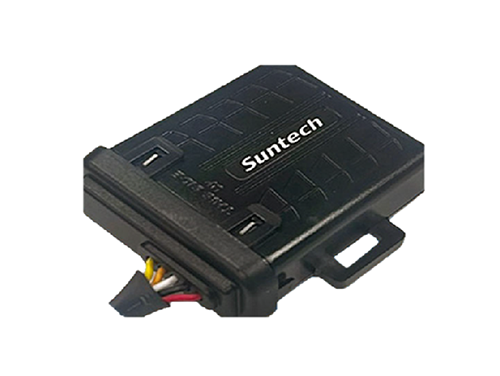
Track your boats, watercraft, and vehicles for less than $100/year.
ST4215 +1 year of Rastrac service, available for a limited time.
